|
|
| PRODUCT RANGE |
|
| Boiler Tube Expander |
|
| Tube Removal Tools |
|
| Tube Rolling Equipment |
|
| Boiler Tools Accessories |
|
| Vacuum Tube Leak Detector Kit |
|
| Tube to Tube Leak Detector |
|
| Tube/Pipe Beveling Equipment |
|
| Sugar Mill Tooling |
|
| Tube Expanders for Exchangers |
|
| Tube Installation Tools |
|
| Rolling Controls and Drives |
|
| Removal Tools |
|
| Spring Tool Balancers |
|
| Continuous Tube Pulling System |
|
| Flange Spreader |
|
| Tube Cleaning Brushes |
|
| Tube Expansion System |
|
| Hetran Bar Guide Pads & Acc. |
|
| Tube Cleaners |
|
| Contact Wheels |
|
| Bolting Tools |
|
| Impact Sockets / Power Sockets |
|
| Hydraulic Bolt Tensioners |
|
|
|
|
|
| Electric Tube Rolling / Expansion Systems |
|
|
|
|
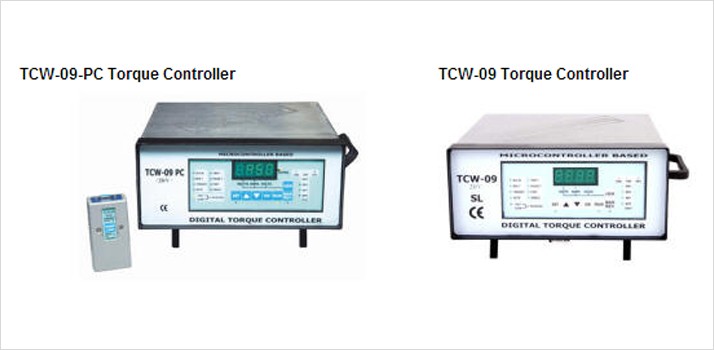
| Advantages of a Wattage Based Torque Controller. |
 |
| |
| Drill down on either Torque Controller above for full Specifications: |
|
| Either 120v or 240v / 60Hz or 50 Hz |
|
| Electronic Drives for use with Torque Controllers |
| |
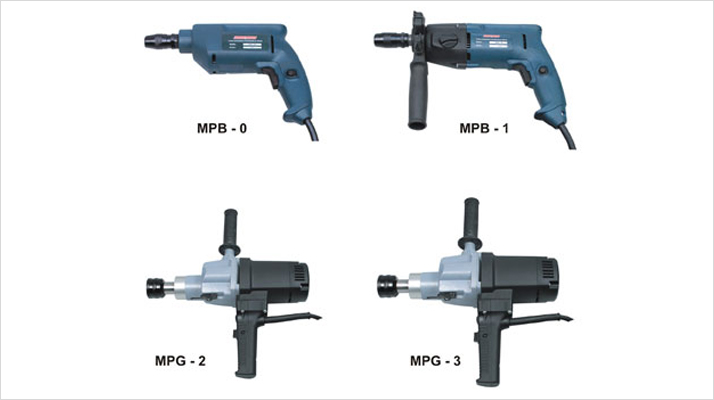
| Drivers for rolling tubes come in 4 sizes and depending on the tube size and material determines which driver is required. Each driver will be recognized by the torque controller and automatically adjusts the maximum torque output. See below for driver size required. |
| |
 |
| |
Supply Voltage
Single Phase
50/60 Hz |
Drive Model |
Speed
I / II |
No
Load
R.P.M. |
Expansion Range |
Drive Weight Kgs. |
| Steel Tube O.D. |
Copper Tube O.D. |
| inch |
mm |
inch |
mm |
| 230 V |
MPB - 0N |
I |
2200 |
1/4” - 3/8” |
6 - 10 |
1/4” - 1/2” |
6 - 12 |
2 |
| MPB - 1N |
I |
1000 |
3/8” - 5/8” |
10 - 16 |
3/8” - 3/4” |
13 - 20 |
2.5 |
| II |
1900 |
5/16” - 3/8” |
8 - 13 |
5/16” - 1/2” |
8 - 13 |
| MPG - 2N |
I |
480 |
5/8”-1.3/4” |
16 - 45 |
5/8” - 2” |
16 - 50 |
7.5 |
| II |
1080 |
5/8”-1.1/4” |
16 - 32 |
5/8”-1.1/2” |
16 - 38 |
| MPG - 3N |
I |
130 |
1” - 3” |
25 - 76 |
1” - 4” |
25 - 102 |
8.5 |
| II |
430 |
1” - 2” |
25 - 50 |
1” - 3” |
25 - 76 |
| 110 V |
MPB - 0L |
I |
2200 |
1/4” - 3/8” |
6 - 10 |
1/4” - 1/2” |
6 - 12 |
2 |
| MPB - 1L |
I |
1000 |
3/8” - 5/8” |
10 - 16 |
3/8” - 3/4” |
13 - 20 |
2.5 |
| II |
1900 |
5/16” - 3/8” |
8 - 13 |
5/16” - 1/2” |
8 - 13 |
| MPG - 2L |
I |
480 |
5/8”-1.3/4” |
16 - 45 |
5/8” - 2” |
16 - 50 |
7.5 |
| II |
1080 |
5/8”-1.1/4” |
16 - 32 |
5/8”-1.1/2” |
16 - 38 |
| MPG - 3L |
I |
130 |
1” - 3” |
25 - 76 |
1” - 4” |
25 - 102 |
8.5 |
| II |
430 |
1” - 2” |
25 - 50 |
1” - 3” |
25 - 76 |
|
| |
| Comparison between a Wattage based system and a Voltage based system. |
|
 |
Tube expansion can best be done by expanding tubes at a set torque value. Torque is nothing but a rotary force acting on the tubes. For a given drive, the 'RPM' being constant, torque becomes proportional to the drive power.
Hence, if the drive power is controlled for tube expansion, the results will be excellent. All tubes will be expanded equally. Supply voltage fluctuations which are very common, do not affect the performance of a wattage based controller as the controller will trip at a set wattage irrespective of the supply voltage. |
|
In case of a voltage based tube expansion torque controller, the drive current can become proportional to the torque if & only if the supply voltage is absolutely constant. This is never the case. Practically, the supply voltages vary as much as 10% to 55%. This directly affects the expansion results as the drive trips at a set current. That means for a 10% higher supply voltage, the tubes will be effectively expanded by 10% more torque than the required one. Hence tubes will be over-expanded. For supply voltages less than normal, tubes will be under expanded proportionately.
Since, the supply voltages fluctuate quite often, the expansion results of current based controllers will be unpredictable. They will have no consistency.
It is our experience that a seasoned operator will more consistently expand tubes with just a drive than if he is to use a current based Torque Controller. Of course if he were to use a Wattage based torque controller, he would achieve near perfect tube expansions all the time. |
|
With a TCW Torque Controller coupled to an MPG-2L Driver, we carried out extensive tests on 3/4" OD Copper/Nickel 70/30 tubes and found we could consistently roll tubes to have an internal tolerance of (+0.0001+/-0.00001"). This was in a 1.25" tube sheet with tube sheet holes reamed to 0.758" to TEMA Spec. |
|
| |
 |
|

 Boiler Tube Expander
  Tube Removal Tools
  Tube Rolling Equipment
  Boiler Tools Accessories
  Vacuum Tube Leak Detector Kit
  Tube to Tube Sheet Leak Detector
  Tube/Pipe Beveling Equipment
  Sugar Mill Tooling
  Tube Expanders for Heat Exchangers
 Tube Installation Tools
  Rolling Controls and Drives
  Removal Tools
  Spring Tool Balancers
  Continuous Tube Pulling System
  Flange Spreader
  Tube Cleaning Brushes
  Tube Expansion System
  Hetran Bar Guide Pads & Accessories
  Tube Cleaners
  Contact Wheels
  Bolting Tools
  Impact Sockets / Power Sockets
  Hydraulic Bolt Tensioners